
The aircraft categories, and how to tell which one your trip needs
Light, midsize, super-midsize, heavy, long-range. What the labels actually mean once you are choosing between real options.
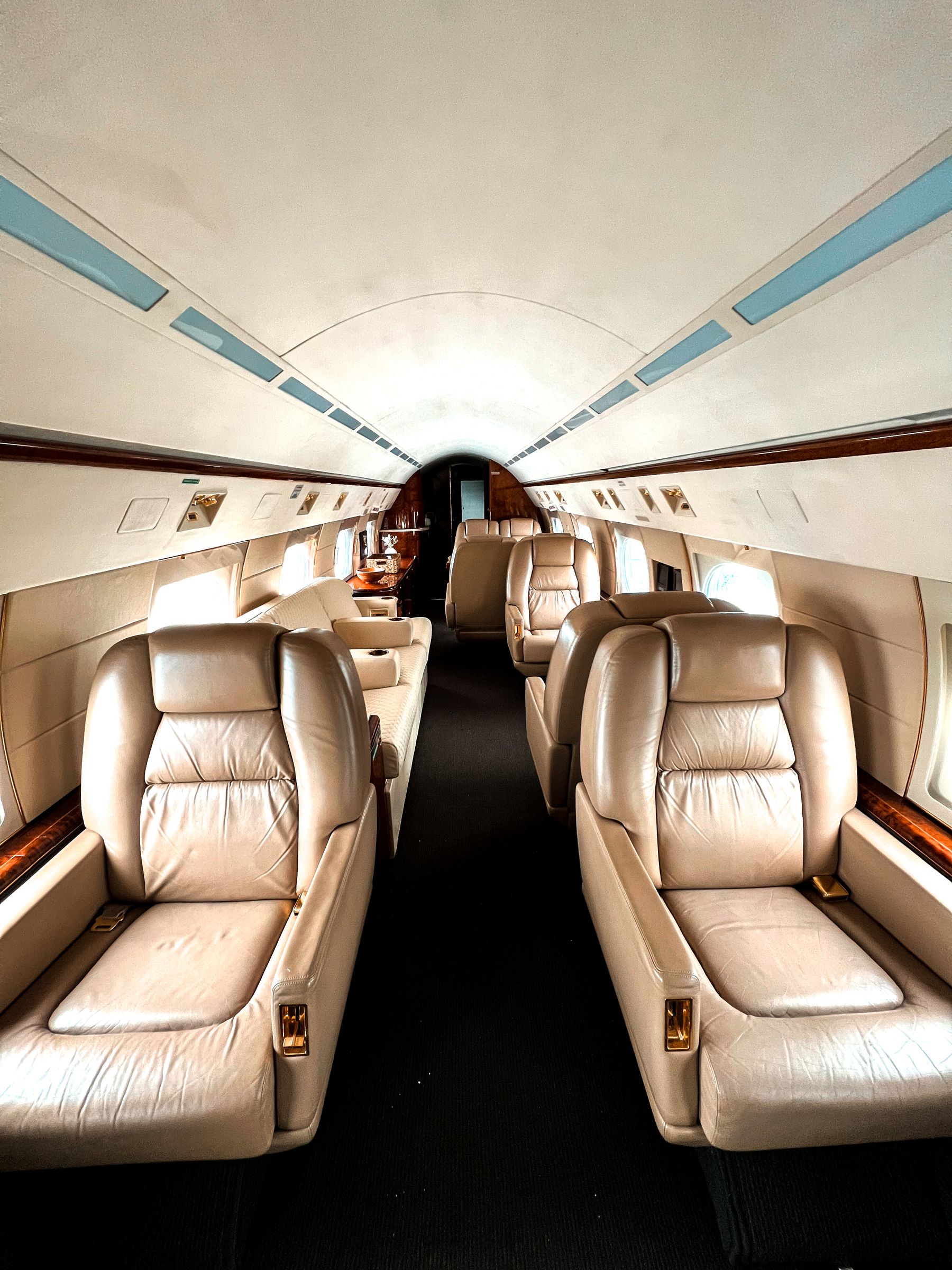
Charter aircraft get sorted into categories, and the categories are useful right up until the moment they are not. They describe a general size and mission profile. They do not tell you whether a specific aircraft can fly your specific trip on your specific day, because that answer depends on weight, weather, runway, crew hours and how the aircraft is configured inside.
Here is what each category is genuinely good at, and where each one tends to disappoint people who chose it from a category name alone.
Turboprops and very light jets
Small, efficient, and able to use short runways that larger aircraft cannot. For a short hop into a regional field, a turboprop is frequently the sensible answer even though it is not the glamorous one. Passengers sometimes resist because it has propellers. The propellers are not a compromise on a two-hundred-mile leg; they are the reason the aircraft can land where you actually want to go.
Where they disappoint: cabins are tight, standing is usually not possible, baggage is limited, and the ride is more affected by weather at lower altitudes.
Light jets
The workhorse of short-to-medium domestic charter. Jet speed, access to a wide range of airports, and running costs that keep the price sensible on the legs they are designed for.
Where they disappoint: baggage. This is the single most common mismatch we see. A light jet that comfortably seats a group will often not carry that same group's skis, golf clubs or full-size suitcases. The seats are rarely the constraint. The hold is.
Midsize and super-midsize
The category that solves most transcontinental problems. More cabin, more baggage, more range, usually a proper lavatory, and enough room that a working flight is genuinely a working flight rather than an endurance exercise.
Super-midsize is where many trips land once the constraints are on the table, because it is often the smallest category that can do a long domestic leg without a fuel stop. Removing a fuel stop does not just save time; it removes a whole class of things that can go wrong.
Heavy and long-range
Full cabins, separate zones, crew provision on longer flights, and the range for ocean crossings and demanding international sectors. If your itinerary genuinely needs it, nothing smaller substitutes.
Where they disappoint: nowhere, except the invoice, and airport access. A heavy jet cannot use every field a light jet can, so "bigger" is not automatically "better" when the destination is a small mountain or island airport.
How the choice actually gets made
In practice the category is an output, not an input. We start from the constraints — how many people, how much baggage, which airports, what time, what cannot move — and the category falls out of that. When someone tells us the category first, our next question is usually about the bags, because that is the constraint most likely to overturn the assumption.
Nothing above should be read as a performance specification. Range, runway requirement, baggage volume and seating differ between individual aircraft in the same category, and change with weight, altitude and temperature on the day. The operating figures that matter for your trip come from the direct air carrier flying it, and we confirm them per trip.