
Runway, altitude and heat: why the airport often decides the aircraft
The most common reason a trip needs a different aircraft than expected has nothing to do with how many people are travelling.
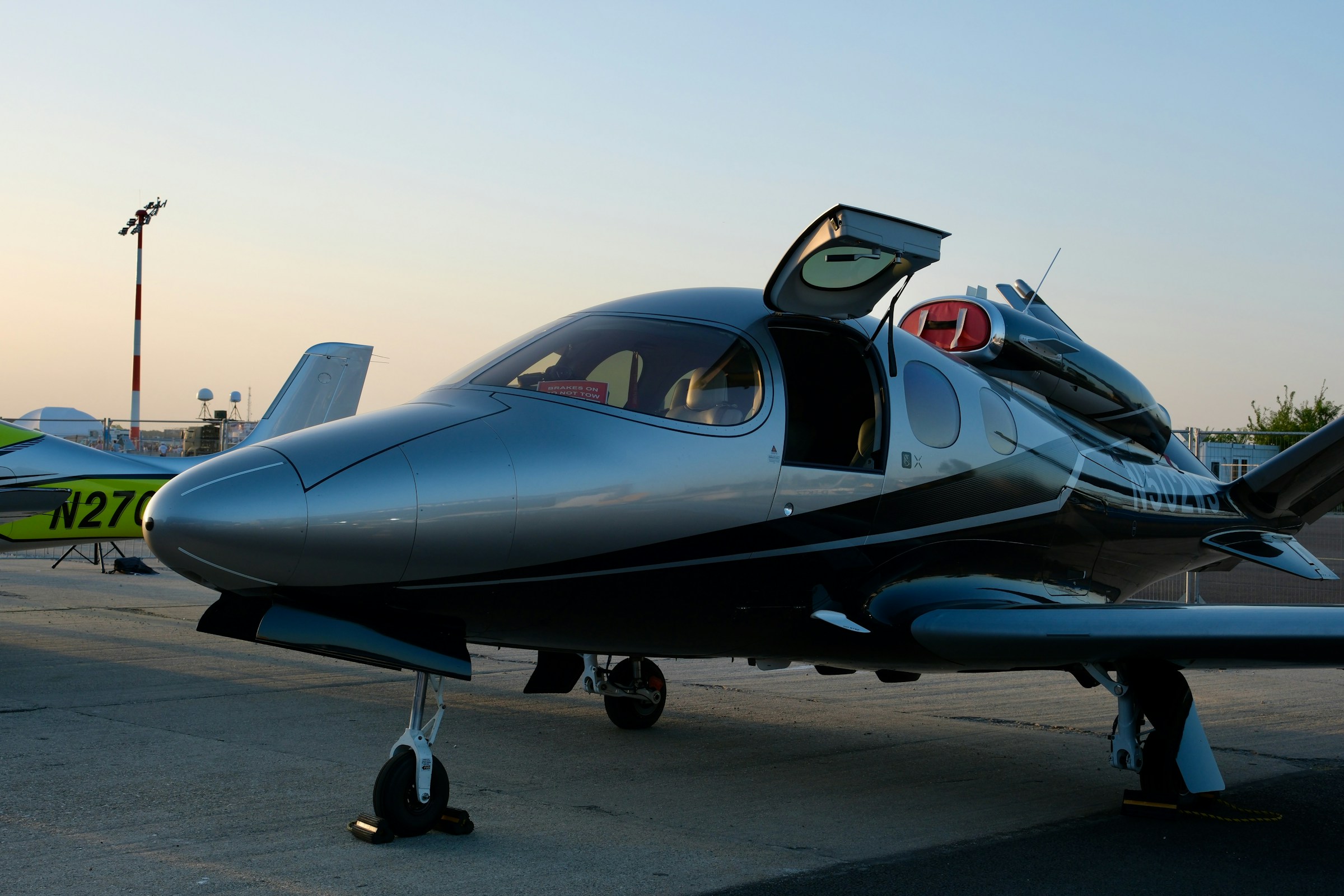
People choose an aircraft by thinking about the cabin. Operations chooses it by thinking about the runway. When those two disagree, the runway wins.
Runway length is not a fixed requirement
How much runway an aircraft needs is not one number. It changes with how heavy the aircraft is, which means it changes with how much fuel it is carrying, which means it changes with how far it is going. The same aircraft that can operate comfortably from a short field on a two-hour leg may not be able to leave that field with the fuel for a five-hour one.
Altitude and temperature change the answer again
Air gets thinner as elevation rises and as temperature rises. Thinner air means less lift and less engine performance, so an aircraft needs more runway to get airborne. A mountain airport on a hot afternoon can be a materially different proposition from the same airport on a cold morning — which is why departure times out of high-elevation fields in summer are sometimes earlier than passengers would like, and why the aircraft may need to carry less weight.
This is not an exotic edge case. It is a routine consideration for a great many popular mountain destinations, and it is the reason a trip that "obviously" fits one aircraft sometimes does not.
The other airport facts that move a trip
- Operating hours — a field that closes in the evening ends the discussion about a late departure.
- Customs availability for international arrivals, which is not offered everywhere or at all hours.
- Slot restrictions and curfews at busier airports.
- Ground handling and whether the aircraft can be parked, or has to leave and come back.
Why we ask about the airport early
Because it is cheaper to discover a constraint at the enquiry stage than after a quote has been accepted. When we ask which airport rather than which city, this is why. Sometimes the useful answer is a field twenty minutes further away that removes the problem entirely.
Performance planning for any specific flight is done by the direct air carrier operating it, using that aircraft's own data and the conditions on the day. Nothing here is a substitute for that, and we do not make performance determinations.